Have you been charity shamed?
The idea of charity shaming involves pubically calling out people who are not perceived to be making a sufficient charitable contribution. In some cases this was related to a celebrity's failure to show up at a large charity event, and in other cases it could be as simple as being seen as the only person in the office who does not make a contribution to the United Way.
Note that the above video was written in 2012 and predates a similar subplot on a South Park episode aired October 21, 2015.
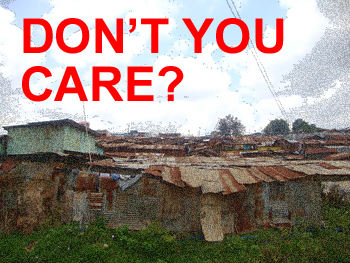 The use of peer pressure to collect donations is not new. It goes back centuries, whether it involved ensuring that enough money got into the collection plate to using negative publicity as a way to get donations for causes like the building of a church or hospital. Shame is a powerful motivator and people are often frightened by the public perception of stinginess no matter how generous they really are. Even worse, if you have to stop and explain how much of a good person you are being, then you are a humblebrag.
The Many Faces of Shaming One's Peers
The whole concept of charity shaming is actually quite multi-faceted and covers a lot of different behaviors by individuals and groups. Although you would expect the majority of shaming behavior to come from the lower-income sector, much of the publicity for guilting comes from the upper crust and middle classes. There are even some sectors that want less giving from parties that they deem to have a political motive.
Rich People Shame Each Other
There is also a great deal of "making the Joneses keep up" when it comes to giving. In some cases it is for the sake of appearance, and charities exploit this by making sure wealthy donors get their names on hospital wings or university buildings, while smaller givers get a tote bag and a bumper sticker. From an anthropological standpoint, you might not be part of the group unless you have your plastic yellow bracelet, name on a brick, or invitation to the charity ball.